
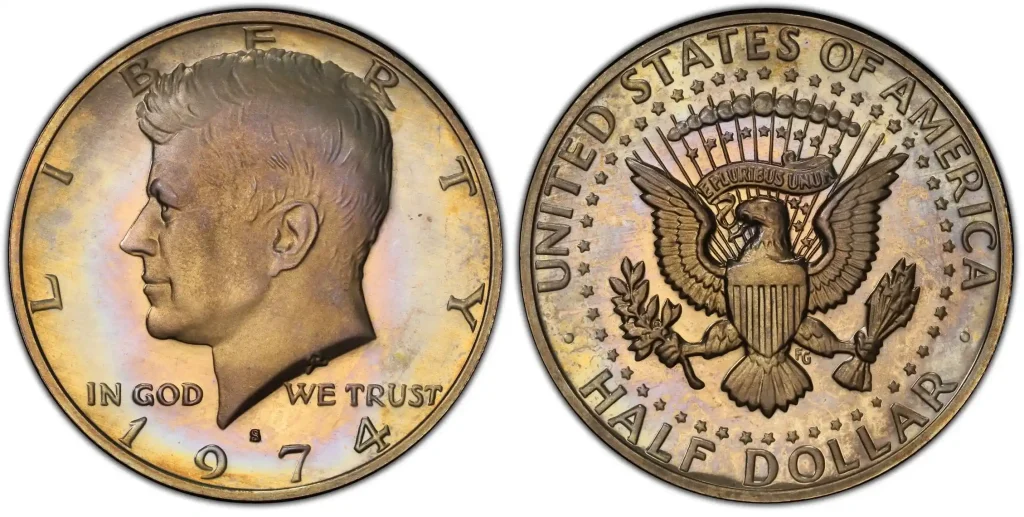
Market value for a standard 1974 half dollar ranges from $0.50 to $0.75 within regular circulation. Uncirculated coins fetch $4 to $15 based on visual appeal.
Record auction results for rare variants hit $4000, creating massive gaps between common coins and high-end treasures. But what makes a 1974 half dollar rare?
| Coin Feature | Specification |
| Currency Unit | $0.50 |
| Physical Diameter | 30.61 mm |
| Total Weight | 11.34 grams |
| Metal Mix | 91.67% copper, 8.34% nickel |
| Edge Finish | Reeded |
Market Price Drivers
Price determination relies on coin surface quality. Scratches reduce coin value quickly to face worth. High demand requires clean surfaces. Buyers pay premiums for eye appeal.
Condition Influence On Price
- Circulated items bring $0.50 to $0.60
- About Uncirculated coins reach $1.00 to $2.50
- Mint State 63 specimens earn $4.00 to $6.00
- Mint State 65 pieces command $10.00 to $25.00
- Mint State 67 gems fetch $50.00 to $150.00
Professional grading services verify condition, increasing item liquidity by 30% to 50%. Certified coins sell faster than raw pieces.
Grading Impact
Collectors favor slabbed coins. Authenticity verification removes risk. Pricing premiums follow professional grades closely.
- MS60: Basic market price
- MS63: Slight premium
- MS65: Strong collector demand
- MS67: Rare investment grade
Numismatic Error Types
Minting mistakes create scarcity, pushing price points upward. Verifying these errors requires magnifying glasses and light sources.
Double Die Errors
Stamping misalignment causes image doubling. Doubled features add $50 to $200. Exceptional error examples reach $500.
- Lettering doubling: $50 to $100
- Portrait doubling: $150 to $200
- Mint mark doubling: $100 to $300
Off Center Strikes
Blank placement issues lead to empty coin fields. Pricing scales with percentage error.
- 5% to 10% offset: $10 to $30
- 20% to 30% offset: $50 to $150
- 40% to 50% offset: $100 to $300
Clipped Planchet Errors
Blank cutting mistakes leave missing edges. Size matters for final worth.
- Small clip: $20
- Medium clip: $40 to $60
- Large clip: $80 plus
Market Value Fluctuations
Coin markets experience constant shifts. Standard Mint State items show 2% to 3% annual gains. Error coins display 10% volatility, attracting risk-takers.
Price Loss Scenarios
Improper storage destroys value. Humid air causes surface spotting. Bad handling removes 70% of potential worth.
- Plastic bag storage: High damage risk
- Cardboard folders: Moderate protection
- Professional capsules: Maximum security
Using chemical cleaners ruins surface finish instantly. Buyers reject cleaned items immediately. Cleaning removes 80% of possible market price.
Profit Maximization Tactics
- Use rigid coin capsules
- Maintain stable room temperature
- Avoid touching coin faces
- Get professional certifications
Market research prevents bad deals. Monitoring auction sites clarifies current price levels. Prices change based on buyer appetite.
Rare Sale Analysis
High-end auction results define market ceilings. Extremely rare variety sales reach $2000 to $4000. These outliers represent 0.1% of existing coins. Ordinary owners rarely find these items.
Exponential price growth happens at top grades. Moving from MS66 to MS67 raises asset value by 200%. Scarcity dictates these price jumps.
Coin Inspection Advice
Using strong light reveals hidden flaws. Careful surface study distinguishes common coins from profitable finds.
- Check edge milling: Smooth edges indicate errors
- Examine lettering: Look for shadow lines
- Inspect portrait details: Sharpness defines MS grades
Avoiding quick assumptions saves money. Seeking expert opinions protects portfolios. Professional guidance ensures correct asset valuation.
Future Market Outlook
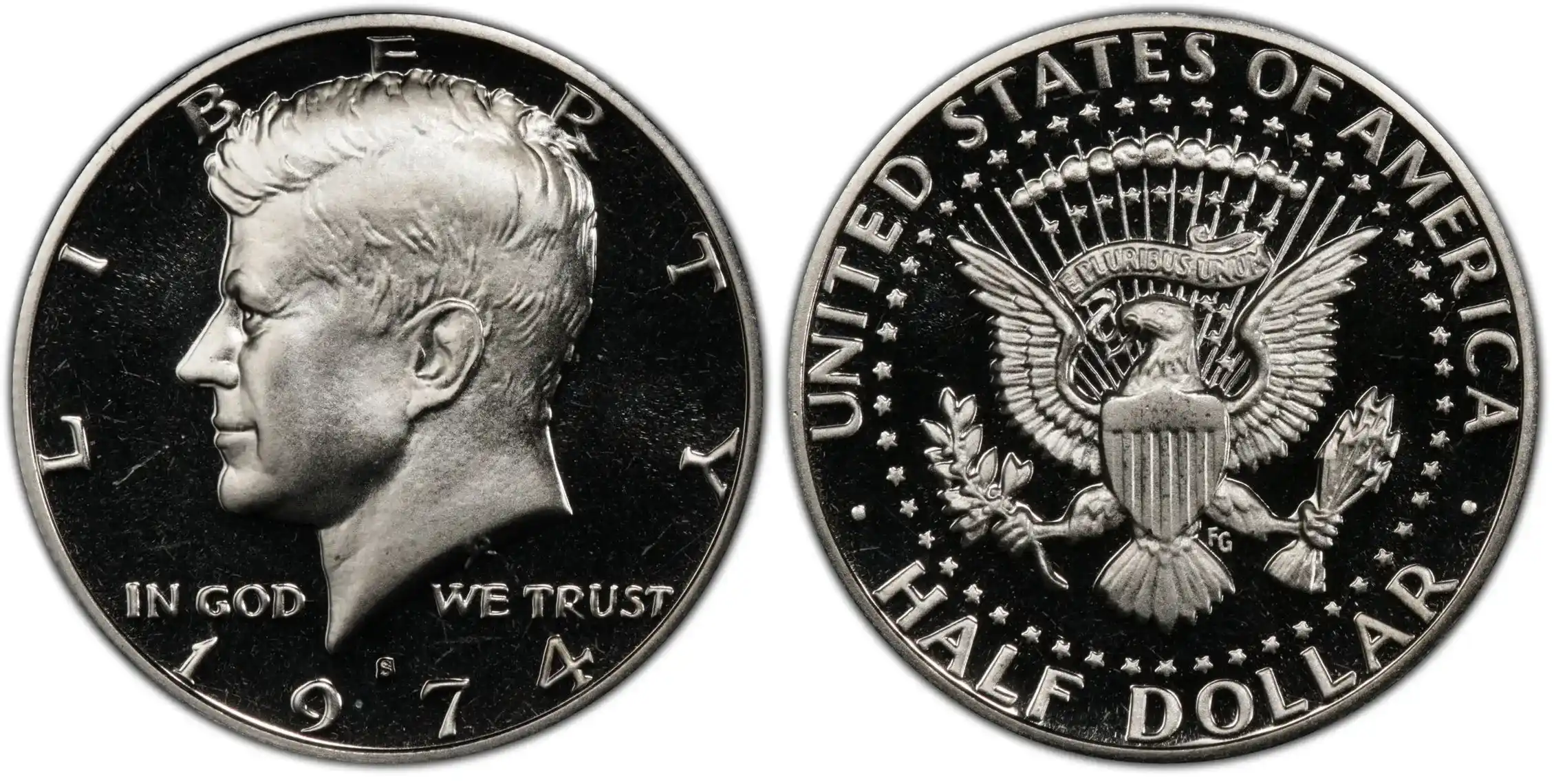
Investment interest remains high for quality specimens. High-grade MS coins attract long-term buyers. Lower-grade items move via bulk sales. Price stability depends on economic conditions.
- MS68 rarity: $500+ potential
- MS69 rarity: $1000+ potential
- Perfect MS70: Top investment tier
Collectors focus on eye appeal. Clean surfaces fetch higher bids. Bidding wars happen frequently for pristine examples.
Storage Security Essentials
Acid-free holders prevent corrosion. Humidity control preserves luster.
- Silica gel packs: Moisture control
- Glove usage: Skin oil prevention
- Bank deposit boxes: Theft protection
Proper care creates wealth preservation. Neglect leads to financial loss. Smart owners treat coins as valuable assets.
Trading Strategy Guidelines
Buying low requires patience. Selling high needs market timing.
- Bulk buying: Lower entry costs
- Singular high-grade items: Better investment return
- Diversified portfolios: Lower risk exposure
Market participants analyze charts. Price trends dictate buying behavior. Knowledge provides power.
Authenticity Verification Steps
Counterfeit coins plague the market. Check weights carefully.
- Scale precision: Must show 11.34 grams
- Metal sound: Copper nickel ring test
- Magnetic test: Non-magnetic materials
Fake coins carry zero value. Buyer due diligence protects capital. Avoid deals appearing too good.
Market Price Checklist
- Identify mint mark
- Check for surface damage
- Determine strike type
- Confirm professional grade
Following these steps leads to better investment outcomes. Smart sellers research thoroughly. Accurate information drives successful transactions.